From Daylight to Darkness: The VFX Breakdown of PARADOX's Opening Shot
Octaves Studios, Chennai
Introduction: The Challenge
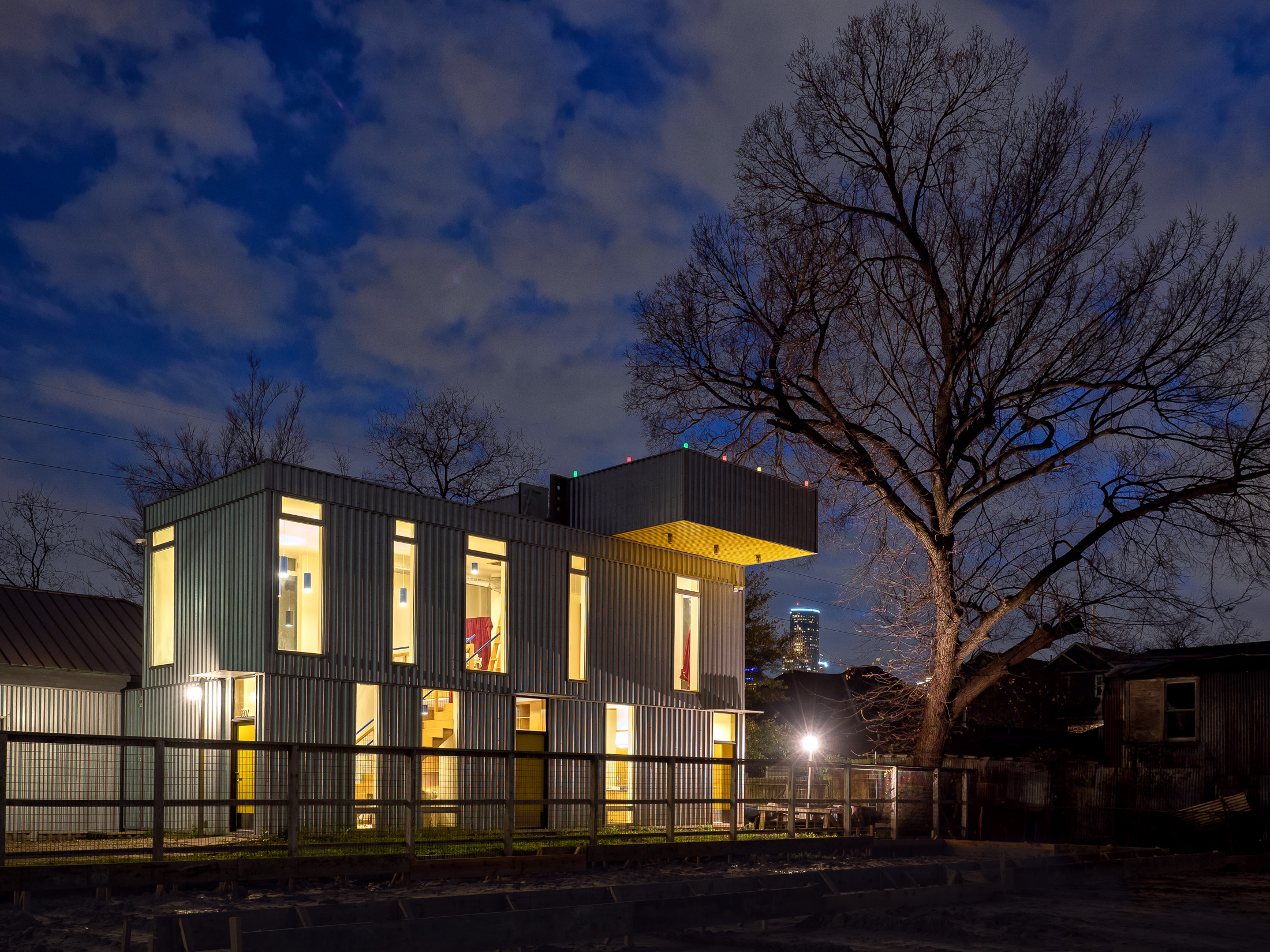
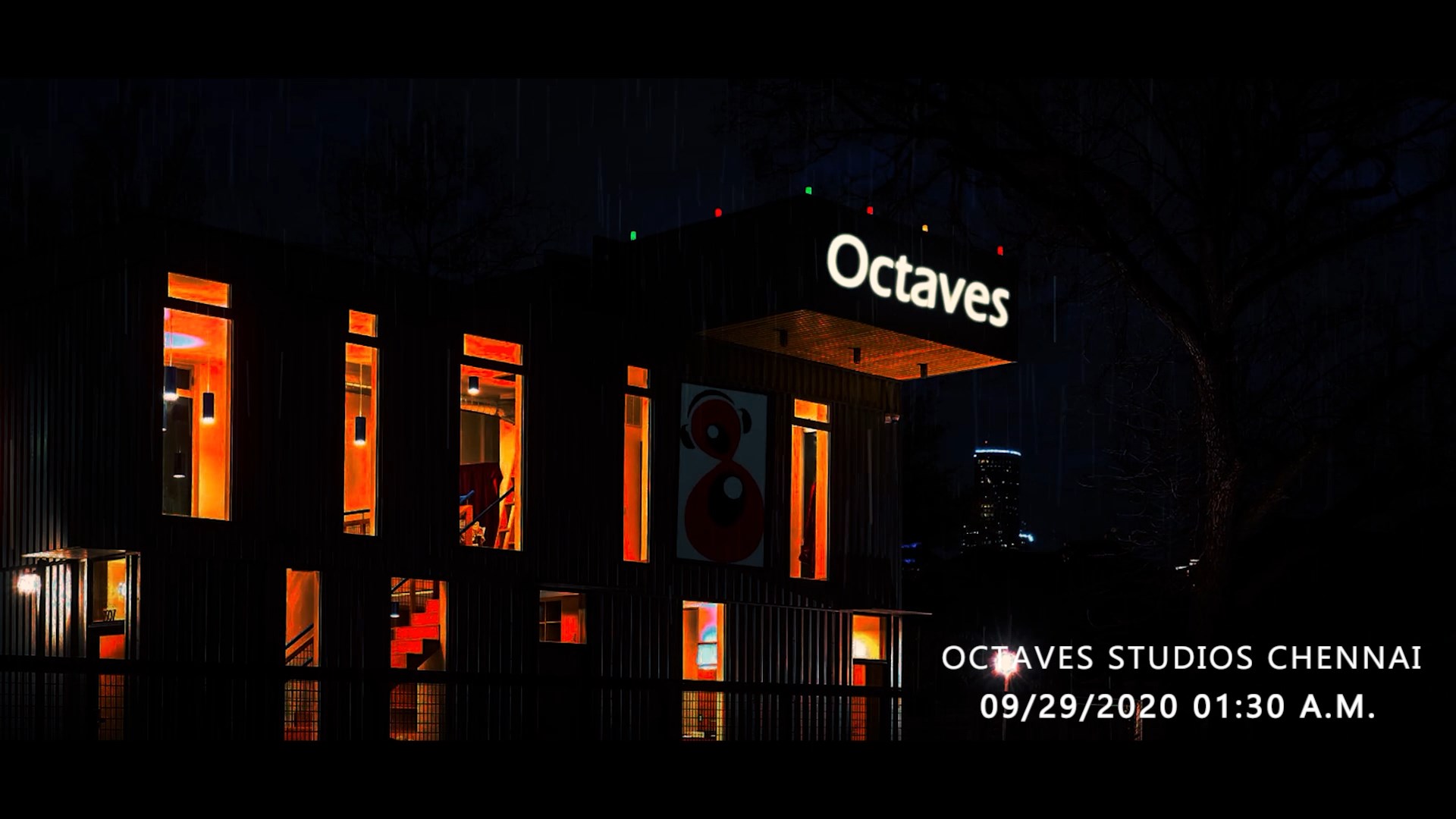
The opening shot of the film needed to establish a tense, suspenseful mood. The raw footage, however, was a flat, daytime image of a modern building. Physically re-shooting the scene at night with rain wasn't an option, so I turned to VFX. The goal was to create an atmospheric nightscape — dark, cool, rain-soaked, and moody.
The Process: A Step-by-Step Breakdown
This transformation required a mix of colour grading, particle simulation, and composite lighting.
- 01
Step 1: Day-to-Night Grading
The first stage was to make the shot look like night. This involved pulling down the overall exposure to reduce brightness, shifting the colour balance from warm daylight to deep, cool blues and teals to mimic moonlight, and protecting the shadow areas to ensure the building's architectural details remained visible.
- 02
Step 2: Rain Simulation
A heavy, stormy atmosphere was essential. I created the rain using a particle system, generating thousands of individual streaks. To make it look natural, I varied the speed, size, and opacity of the particles and added extra layers of mist, splashes on surfaces, and subtle wet reflections on the ground.
- 03
Step 3: Lighting & Atmosphere
A completely dark scene isn't realistic; it needs artificial light sources to guide the eye. I composited warm, glowing light into the building's windows and added streetlamps. To sell the mood, I layered in fog and lens flares, which instantly gives a cinematic, ominous feel.
- 04
Step 4: Branding Integration
The final detail was placing the "Octaves Studio" logo. I integrated it onto the building's façade, designing it to look like a naturally illuminated sign, rather than just pasting a graphic on top of the shot.
The Technical Challenges
The biggest hurdles were making the artificial elements look believable. Grading the footage too blue would have made it look fake, so the colour had to be handled with precision. The rain also needed to feel like it was part of the environment, which required matching its speed and angle to the mood of the scene.
Lessons Learned (My Experience)
This shot was a lesson in resourcefulness. With just my laptop and a limited budget, it forced me to think like a visual effects artist. The most valuable insight was that great VFX isn't just about making things look pretty; it's about using the tools available to enhance the emotion of the story when real-world filming isn't an option.
Final Result
The final product is a testament to the power of independent filmmaking. A static, boring shot of a building was turned into a dynamic, cinematic moment that sets the tone for the entire film.