Risk, Precision, and a Laowa Lens: The Story Behind PARADOX's Most Intimate Shot
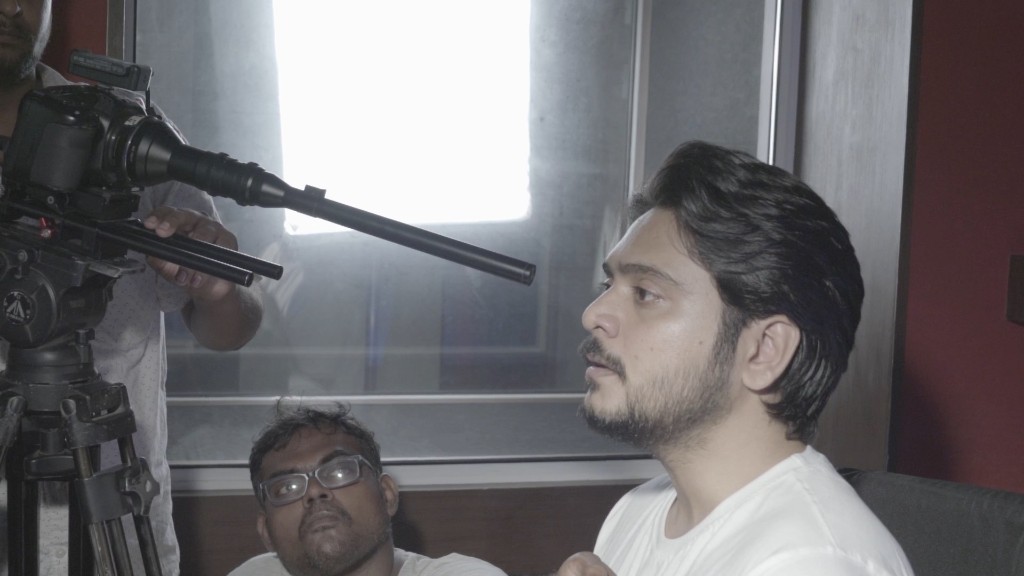
One of the most powerful creative choices in PARADOX came from cinematographer Eswaran Thangavel, who introduced the Laowa lens to push the film's visual tension to its limits.
Introduction
One of the most powerful creative choices in PARADOX came from my cinematographer, Eswaran Thangavel, who introduced the idea of using a Laowa lens to push the film's visual tension to its limits.
Laowa lenses are known for their ultra-wide angles, extreme close-focus capabilities, and unique optical characteristics. For PARADOX, they allowed us to capture shots that would be impossible with standard lenses. The results were raw, immersive, and deeply uncomfortable in the best way possible.
The Two Key Shots
- 01
The Eye Close-Up
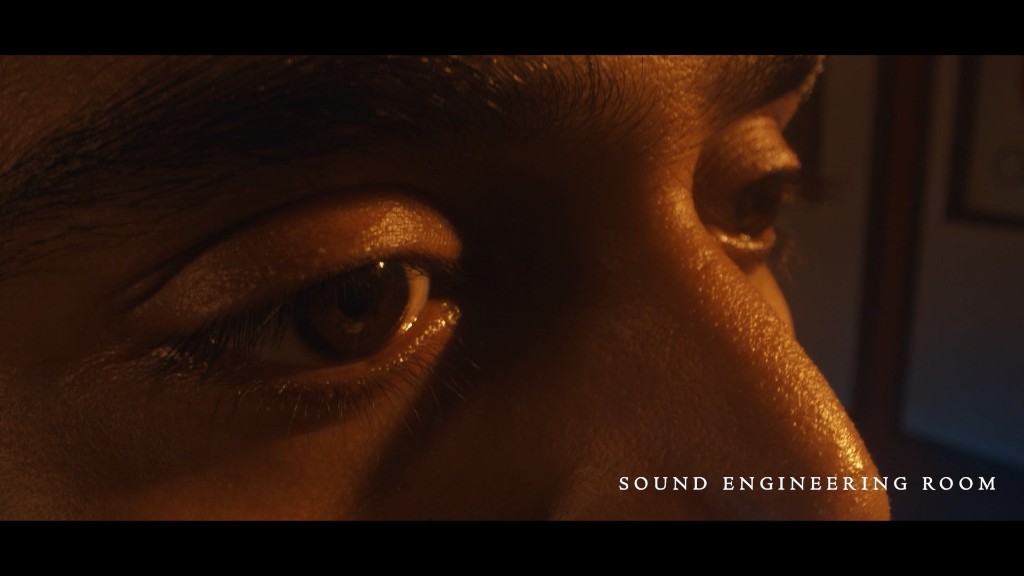
In a pivotal moment, we placed the lens just inches from actor Kalesh Ramanand's eyes as he wakes from a dream. The setup demanded extreme precision. The lens had to be calibrated down to the millimetre. Even a slight miscalculation or sudden movement could have led to the lens poking his eyes. It was a delicate, high-stakes setup that required complete trust between the actor and the camera team. Kalesh delivered an incredible performance, waking directly into the lens. This magnified the emotional impact and pulled the audience right into his disoriented state.
- 02
The Bottle Shot
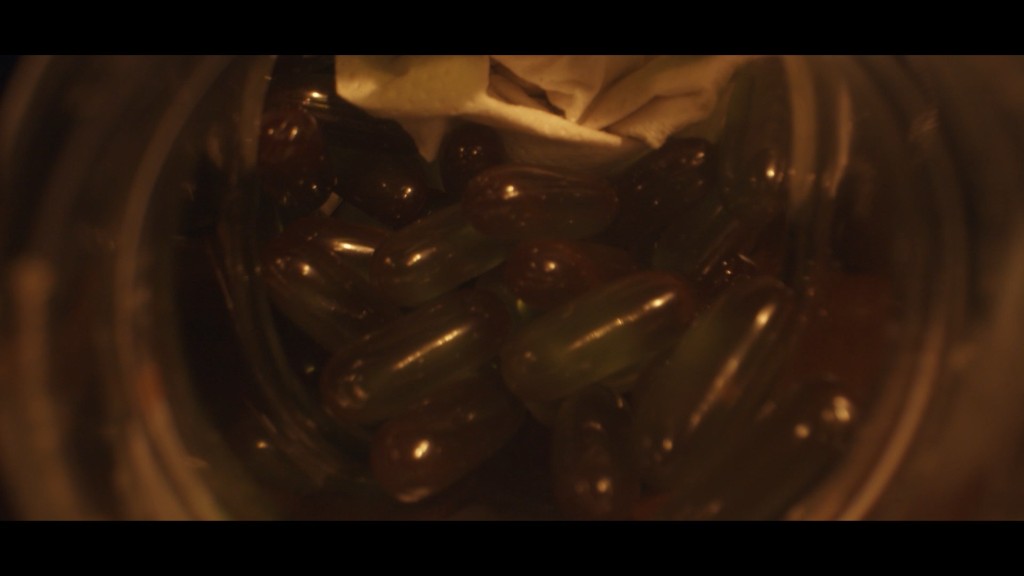
The same Laowa lens was used for a creative sequence where a medication bottle tips over. The shot begins inside the bottle and slowly pulls back, revealing the environment. This unusual perspective added depth and unease. It served as a visual metaphor for a mind trapped and surfacing to a terrifying reality.
The Challenge
Shooting with a lens like this is unforgiving. The extreme close-focus means even the slightest movement can throw the shot out of focus. The shallow depth of field demands precise control over camera and actor positioning. The ultra-wide field of view introduces distortion that must be managed carefully.
The eye shot, in particular, was a tense moment on set. There was zero room for error. One wrong move and we would have injured the actor. But that risk was what made the final result so powerful.
Why This Matters
These shots are not just visual gimmicks. They serve the story.
The eye close-up is invasive and intimate. It mirrors the character's psychological disorientation.
The bottle pull-back visually represents a mind slowly surfacing to a terrifying reality.
This is a reminder that the right technical choices, when aligned with storytelling, can elevate a film from "watching" to "experiencing."
Final Result
The finished frame — an extreme close-up bathed in warm amber light with the title card Sound Engineering Room — became one of PARADOX's most memorable images. It draws the audience into the character's psyche at the exact moment the story demands it most.
This shot is proof that bold cinematography on an indie budget is not about having the biggest kit. It is about choosing the right tool, accepting the risk, and committing to precision until the frame earns its place in the film.
- 01
The Frame
The final composite — tight on the eye, rich in texture, and lit for maximum psychological impact.